Fourteen kilometres separate Andalusia from Africa. It takes an hour to cross, and you can go and come back in a day.
How to get there, what documents you really need, and what you should know before setting foot in a souk.
You must have a valid passport, valid for at least six months from the date of entry.
It’s the bit of paperwork that ruins the most holidays, because many people assume that, given the short distance, a national identity card is sufficient. It isn’t enough: neither on a plane nor on a ferry.
| Port | Reach | Advantage |
|---|---|---|
| Tariff | Tangier Ville, in 1 hour | Leave in the centre in the city |
| Algeciras | Tangier Med and Ceuta | More frequencies. The car one |
Bear in mind the difference: Tangier Med is about 40 kilometres from the city of Tangier. If you’re travelling without a car and want to visit Tangier, the ferry from Tarifa drops you off within walking distance of the city centre.
By car: A Spanish driving licence is valid. Take the vehicle registration certificate, the insurance covering Morocco —green card or temporary permit at the border— and you need to fill in a temporary import declaration for the vehicle.
There are live broadcasts from Málaga, Madrid, Barcelona, Seville and Valencia, with flights lasting between two and three hours.
This is the option if you’re already on the coast and you don’t want to organise the logistics: transport, the river crossing and a guide, all coordinated, and a return trip on the same day.
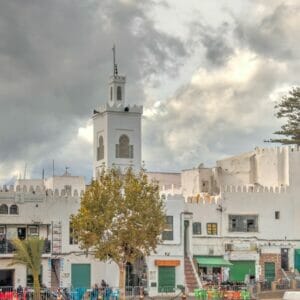
The usual destination is the north, with the medina of Tetuan, which is a World Heritage Site and considerably less crowded than those in the south.
Yes, taking the usual precautions for any trip. It is one of the most established destinations in North Africa and welcomes millions of visitors every year.
And it’s worth stating this clearly: the real problem isn’t security – it’s scams. What bothers travellers are petty scams aimed at tourists, not violence.
The rule that covers almost everything: agree on the price beforehand. A taxi, a photo, a guide, anything.
Many women travel alone in Morocco without any serious problems, but it is common to receive unwanted comments or attention.
Tourism is concentrated in safe areas: Tetouan, Tangier, Fez, Marrakesh, Casablanca.
It is best to avoid the border areas with Algeria and Western Sahara, without prior arrangements. For the desert or the deep south, with a guide or through a travel agency.
And the official source: the travel advice from the Ministry of Foreign Affairs, which are updated as the situation develops. It’s a good idea to check them before you set off.
The best times to visit are spring —March to May— and autumn —September to November—, with mild temperatures along the coast and inland.
Summer is tough inland: Marrakech and Fez are well over forty. If that’s your only option, have a look travelling to Morocco in August.
Winters are mild on the coast and cold in the mountains.
The Islamic calendar is a lunar calendar, so Ramadan falls about ten days earlier each year with regard to the calendar we use here. That is why it is pointless to give a date: You’ll need to check it for the year you’re travelling, and it also depends on observations of the moon.
You can travel without any problems, bearing this in mind:
In return, the nights during Ramadan have an atmosphere that you don’t see at any other time of the year.
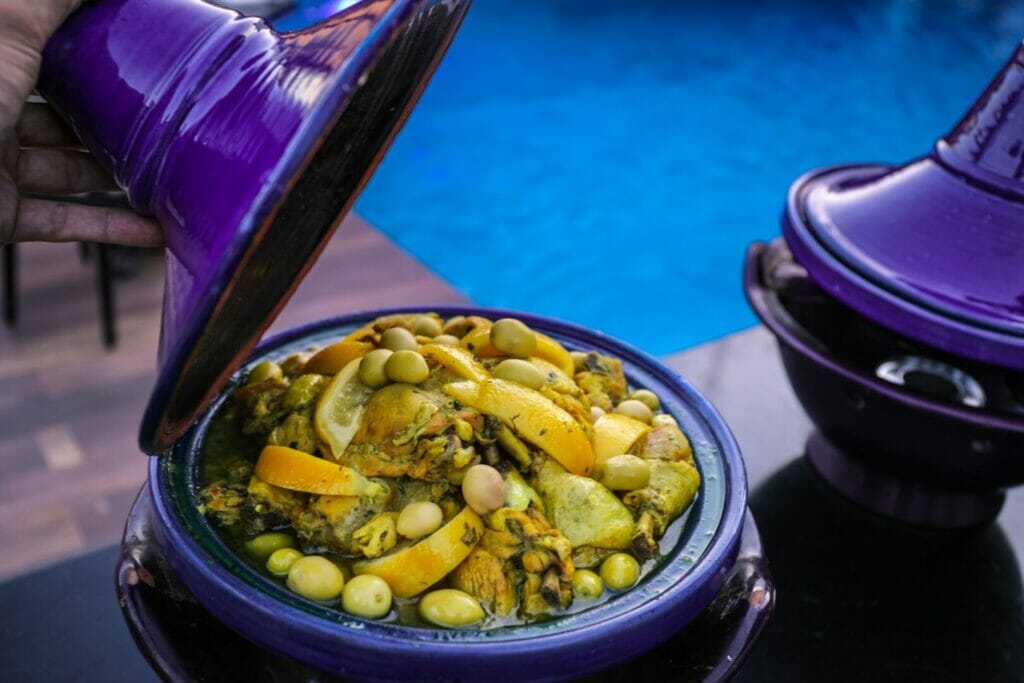
And water – always bottled, checking that the seal is intact.
More: handcrafted Arabic sweets y traditional drinks, starting with mint green tea, which is the country’s traditional gesture of hospitality.
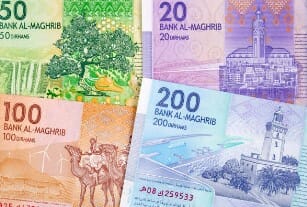
The currency is the dirham (MAD), and it is non-convertible: It cannot be freely purchased outside the country. Things are already changing in Morocco, at banks, authorised outlets, airports or cash machines.
There are 20, 50, 100 and 200 notes, and 1, 2, 5 and 10 coins, plus cents.
A handy tip: ask for 20 notes. These are the ones you’ll use most often, and they’ll save you from having to say «I’ve got no change».
Many shops accept euros, but the exchange rate they offer is rarely in your favour. For large amounts, it’s better to pay in dirhams.
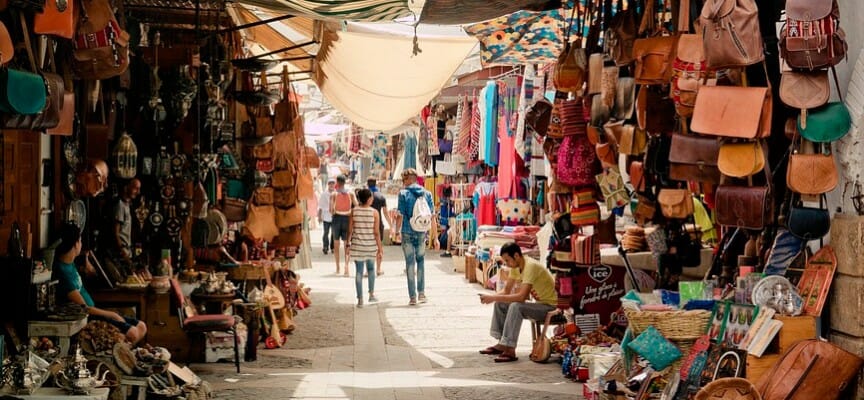
In the souks, prices aren’t fixed and you’re expected to haggle. It’s not a battle: it’s just the normal way of shopping.
Where you don’t haggle: shops with fixed prices and large retail outlets. Just like here.
We are a local tour operator based in Málaga with over 50 years’ experience organising trips around Andalusia. We’ve got one for every port, depending on where it’s most convenient for you to set off from:
And to plan the rest: all the sights to see in Morocco.
A valid passport with at least six months’ validity remaining from the date of entry. A national identity card is not valid, either by plane or by ferry – something that surprises many people given the proximity. Spanish nationals do not require a visa for tourist stays of up to ninety days, and there are no compulsory vaccinations.
The ferry from Tarifa arrives at Tangier Ville in about an hour and drops you off in the city centre. The ferry from Algeciras arrives at Tangier Med, a port situated about forty kilometres from Tangier, and also connects with Ceuta; it runs more frequently and is the usual choice for those travelling by car. If you’re travelling without a car and want to see Tangier, the ferry from Tarifa is the best option.
Yes, provided you take the usual precautions you would on any trip. It is a well-established tourist destination that welcomes millions of visitors a year, and the main issue isn’t safety but scams targeting tourists: fake guides, detours to shops where the guide receives a commission, ticket exchanges, and photos for which they later ask for a tip. Agreeing on the price in advance almost always prevents these.
It changes every year, because the Islamic calendar is lunar and the month comes about ten days earlier than in the Western calendar. Furthermore, the start of the month depends on the sighting of the moon, so it is advisable to check the dates for the specific year in which you are travelling. You can travel during Ramadan, bearing in mind that shop opening hours will be different, there will be fewer transport services, and dinner will be served later.
The Moroccan dirham is a non-convertible currency and cannot be purchased freely outside the country, so it must be exchanged whilst in Morocco: at banks, authorised exchange bureaux, the airport or cash machines. It is advisable to ask for twenty-dirham notes, as these are the most useful for day-to-day spending, and to carry cash for souks, taxis and small shops.
Yes, by ferry from Algeciras or Tarifa – that’s the only way to do it. A Spanish driving licence is valid, and you must carry the vehicle registration document and insurance covering the country, either a Green Card or a temporary policy taken out at the border. Upon entry, you must complete a temporary vehicle import declaration.
Yes. From Tarifa, Algeciras or the Costa del Sol, there are organised day trips that combine the crossing of the Strait with a guided tour of the north of the country, usually to Tangier or Tetouan. This is the most convenient option if you’re already on holiday, as transport, the crossing and the guide are all organised together. You’ll still need a passport, though.