The Midsummer Night is held always on the night of 23 to 24 June, coinciding with the summer solstice. In Andalusia, it is traditionally seen as the start of summer, and is celebrated mainly on the beach: bonfires, midnight swims and a few time-honoured rituals.
Here you have what it involves, where it takes place and what it is called, because each province has its own: in Málaga they are the Moragas and the júas; in Cádiz, the juanillos.
The date remains the same: It’s the night of the 23 to 24 June, the eve of St John the Baptist’s Day. The festivities begin at dusk on the 23rd, when the bonfires are lit, and continue until the early hours of the morning.
Next edition: in the early hours of Wednesday 23 to Thursday 24 June 2027.
A reminder about the bank holiday: 24 June It is not a regional bank holiday in Andalusia. It is a local bank holiday only in those municipalities where Saint John is the patron saint, so it is a good idea to check the public holiday calendar for your area before assuming that the 24th is a day off.
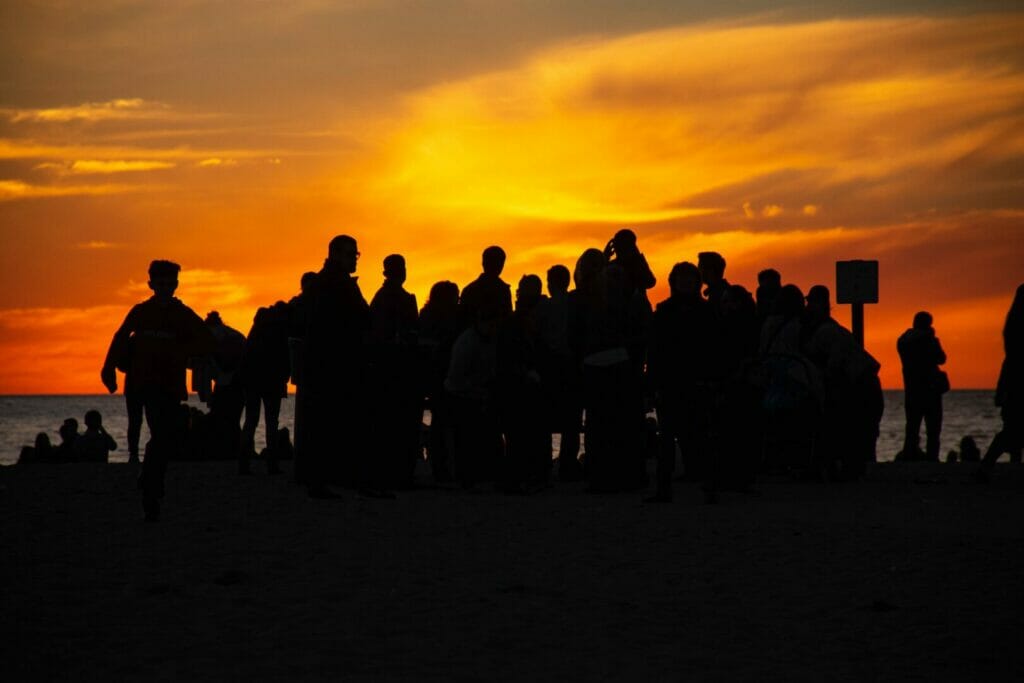
It all revolves around two elements: the fire, which burns away the old, and water, which purifies. This is the origin of the customs that are repeated all along the coast:
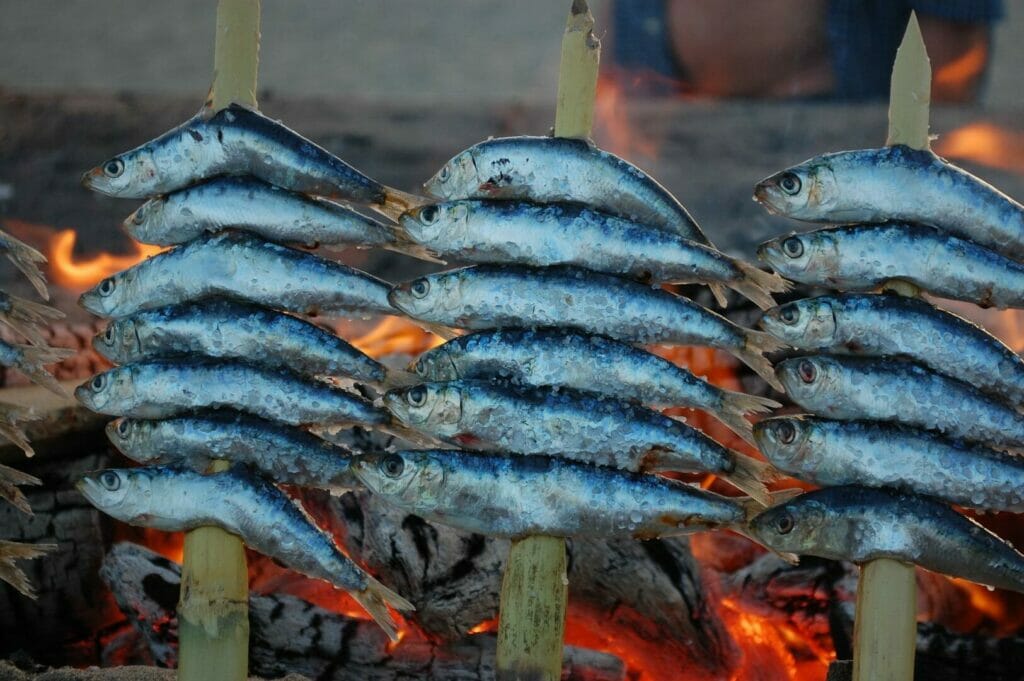
In Málaga, the night has a name of its own: the Moraga, the gathering on the beach around a bonfire, with food and drink, which goes on until the early hours. And there’s no moraga without sardine skewers.
The other key players from Málaga are the júas —or «juas»—, rag and cardboard dolls that are burnt on the beach to ward off evil. It is the Málaga equivalent of the ‘juanillos’ from Cádiz, and each year they usually have a topical theme. The town councils along the coast organise the burning of the municipal ‘júa’, usually accompanied by fireworks and live music.
Places to visit in the province of Málaga:
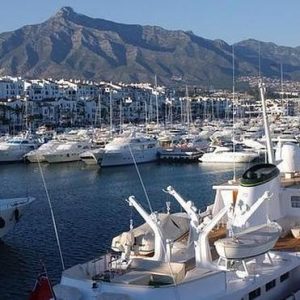
If you want to choose a quiet beach, you’ve got the the beaches of Torremolinos and the the best beaches in Marbella.
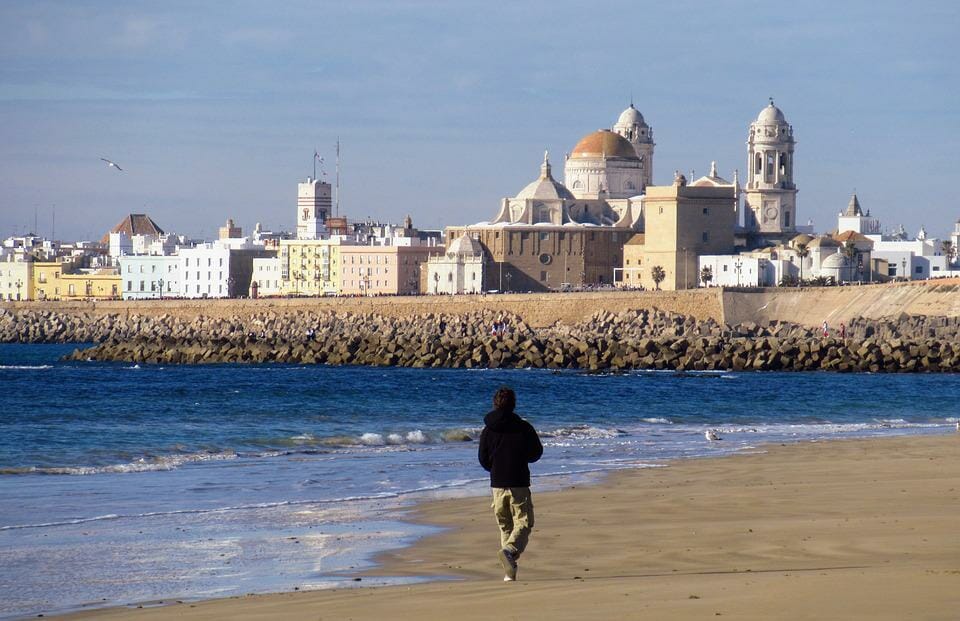
In the province of Cádiz, the main attractions are the juanillos: rag dolls and puppets that have been parading since the afternoon of the 23rd accompanied by a band to the beach, where they are burnt in bonfires.
In several local authorities there are Juanillos competitions, which highlight artistic quality, humour, wit and a deep-rooted connection to Cádiz’s traditions. Many are satirical takes on current affairs, so the parade is watched as much for what it mocks as for what it says.
Places to visit in the province of Cádiz:

And if you take the opportunity to explore the province, there are the 10 must-see attractions in Cádiz.
The province of Granada has two customs that are not found in the rest of Andalusia.
At Almuñécar It is traditional to hand out the St John’s buns, a bread with olive oil, served with a boiled egg and eaten on the beach in the early hours of the morning.
And in Lanjarón, in the Alpujarra, the water course: From midnight onwards, locals and visitors take to the streets to splash each other with buckets, hoses and whatever else they can get their hands on, for about an hour. It’s a massive water fight and the only San Juan celebration in the inland region that rivals those on the coast in popularity. If you go, you can be sure you’ll end up soaking wet.
San Juan kicks off the summer festival season. In July, the coast comes alive with the Virgen del Carmen festivities, patron saint of sailors, and in August comes the Malaga Fair. For the year as a whole, you have the Traditions and festivals in Málaga and the Easter.
We are a local operator based in Málaga with over 50 years’ experience organising day trips around Andalusia, with pick-up points in Málaga and on the Costa del Sol. If you’re staying on the coast around those dates, these are the most popular day trips:
It always takes place on the night of 23 to 24 June, the eve of St John the Baptist’s Day, coinciding with the summer solstice. The festivities begin at dusk on the 23rd, with the lighting of the bonfires, and continue until the early hours of the morning. The next event will take place in the early hours of Wednesday 23rd to Thursday 24th June 2027.
It is not a regional public holiday. 24 June is a local public holiday only in those municipalities where Saint John is the patron saint, so it is advisable to check the working calendar for each town. In most of Andalusia, it is a normal working day – something to bear in mind if you’re planning to stay up late.
The ‘moraga’ is a gathering on the beach around a bonfire, with food and drink, which lasts until the early hours of the morning and where skewers of sardines are a staple. ‘Júas’ are rag and cardboard effigies that are burnt on the beach to ward off evil, usually based on current events. They are the Malaga equivalent of the ‘juanillos’ from Cadiz.
Rag dolls and puppets are paraded from the afternoon of 23 June, accompanied by a brass band, to the beach, where they are burnt on bonfires. In several towns, there are competitions that judge the artistic quality, humour and ingenuity of the entries, and many of them satirise current events from that year.
Particularly along the coast. In Málaga, La Malagueta and La Misericordia are the beaches with municipal events, as well as Benalmádena, Marbella and Estepona. In Cádiz, there’s La Caleta with its fireworks display from the Castle of San Sebastián, as well as Valdelagrana and Conil. And in Granada, the highlights include the bollos from Almuñécar and the water race in Lanjarón, in the Alpujarra.
It depends on the local council and the year. Some local councils allow private bonfires, subject to certain conditions regarding size and location; others only authorise the official bonfire; and others ban them altogether, depending on the fire risk that summer. It is advisable to check the local council notice, which is usually published a few days beforehand.
A massive water fight held in Lanjarón, in the Alpujarra region of Granada, starting at midnight on 23 June. Locals and visitors take to the streets to douse one another with buckets and hoses for about an hour. It is the most famous San Juan celebration in inland Andalusia.