EN
EN  ES
ES  FR
FR  DE
DE 
Morocco, the North African country known for its rich history, vibrant culture and breathtaking landscapes, is also home to some of the world's most picturesque and charming cities. Among these architectural gems Morocco's famous "blue cities" are located hereThese destinations stand out for their streets and buildings painted in shades of blue and white, creating a magical atmosphere that attracts travellers from all over the world.
Today from Visitanddo.com explore Morocco's most famous blue villageand other blue cities not to be missed if you visit North Africa.

Chefchaouenoften simply called "Chaouen", is Morocco's best-known blue city and one of the most photogenic in the world. This gem is located in the Rif Mountains in northern Morocco. What makes Chefchaouen so special is its unique architecture, where the houses and buildings are painted in a variety of shades of blue and white, creating a stunning visual effect.
The history behind the choice of blue as the predominant colour in Chefchaouen varies according to sources. Some say it is due to a Jewish tradition that regards blue as a sacred colour, while others claim that blue helps keep mosquitoes away or that it was simply chosen for its tranquillity and serenity. Whatever the reason, the result is a city that looks like something out of a fairy tale and is well worth a visit.
In addition to its blue streets, Chefchaouen offers visitors the opportunity to explore its souk, sample delicious Moroccan cuisine in its local restaurants and enjoy breathtaking panoramic views from the hills surrounding the city. It is also a popular starting point for those wishing to go hiking and trekking. excursions in the Rif Mountains.

While it is not as well known for its blue colour as Chefchaouen, thehe capital of Morocco, RabatThe medina, an old town with narrow streets and historic buildings, also has some areas that display this charming hue. Rabat's medina, an ancient city with narrow streets and historic buildings, includes houses painted blue and white in some parts.
Rabat is a city steeped in history and culture. Here, visitors can explore monuments such as Hassan Tower y the Mausoleum of Mohammed Vas well as enjoy the French and Spanish colonial architecture in the new city. Rabat's mix of old and new makes it a fascinating city to explore.

Located on the Atlantic coast of Morocco, Asilah is another city that has embraced the colour blue as part of its identity.. In addition to its blue and white painted houses and buildings, Asilah is known for its annual art festival.which attracts artists from all over the world to decorate the walls of the city with impressive murals.
The walls of AsilahThe city walls, which surround the city, are a highlight for visitors. You can stroll along the ramparts and enjoy panoramic views of the Atlantic Ocean while gazing at the colourful murals that adorn the city streets.

TangierTangier, a city that has been a melting pot of cultures for centuries, also features some areas with touches of blue. Although not as famous for its blue architecture as Chefchaouen, you can still find buildings and houses painted in shades of blue in parts of Tangier's medina.
Tangier is known for its historical importance as a meeting point between Africa and Europe.and offers a unique blend of cultural influences. Visitors can explore the Casbah, visit the Tangier Museum and enjoy the city's lively food and art scene.

Tetuanoften called "The Pearl of the North Due to its location on the Mediterranean coast of northern Morocco, Tetouan is another city that deserves a special mention when talking about the country's blue cities. Although Tetouan is not as well known as Chefchaouen, its medina also features streets and buildings painted in shades of blue and white, giving it a unique charm.
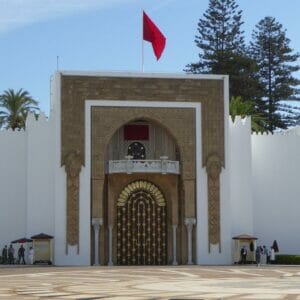
Tetouan is famous for its Andalusian architecture and rich history. Visitors can explore the medina, visit the Royal Palace and enjoy authentic Moroccan culture in its markets and squares. The combination of Andalusian heritage and Tetouan's blue touch makes it an attractive destination for those looking for a unique Moroccan experience.
You may also be interested in:

A day trip to Morocco from Spain offers the opportunity to enjoy a unique cultural experience and taste delicious Moroccan food. The geographical proximity between Spain and Morocco facilitates this trip.You can explore fascinating markets, breathtaking scenery, historic architecture and the warmth of the local people. Although it is an exciting adventure, it is important to remember that time is limited, so it can be an introduction to the cultural richness of Morocco that we highly recommend if you are short on time.
What do these day trips to Morocco include?
You can see all the information below:
As you can see, Morocco's blue cities, such as Chefchaouen, are real hidden gems in the heart of the country. These cities are characterised by narrow streets and houses painted in a beautiful shade of blue that spreads across facades and staircases. Moreover, the calm and relaxed atmosphere of these cities creates a wonderful contrast to the hustle and bustle of other parts of Morocco, so if you are thinking of going to Morocco in a day, don't hesitate to contact us to help you organise your excursion.