EN
EN  ES
ES  FR
FR  DE
DE 
The Alcazaba of Malaga is one of the city's most important monuments and a must-see for anyone visiting this jewel of southern Spain. With a history dating back to the 11th century, this Muslim fortress stands majestically atop Mount Gibralfaro, offering not only a fascinating testimony to the Andalusian era, but also breathtaking views of Málaga and its port.
If you are thinking of visiting the Alcazaba, from Visitanddo.com we offer you all the practical information you need: from how to visitThe museum offers a wide range of information, from opening times and prices, to its history and what to see inside.

Get a discount coupon of 5% to book all excursions and get it cheaper.

The Alcazaba of Malaga was built in the 11th century under Badis ben Habús, king of the taifa of Granada. This fortress-palace was designed primarily as a defensive bastion, but also to serve as a residence for the Muslim governors who controlled the city. Thanks to its strategic position on Mount Gibralfaro, the Alcazaba allowed to control both the city and the port.a key advantage in times of war.
During the Nasrid period, between the 13th and 14th centuries, extensions were made to further strengthen the structure, making the Alcazaba one of the most secure fortresses in the kingdom. After the Reconquest in 1487, the Alcazaba was taken over by the Catholic MonarchsIt was kept in use for some time, albeit with some modifications.
Over the centuries, the Alcazaba suffered some neglect, but several restorations in the 20th century have allowed it to be preserved in an excellent state of preservation.oday it is one of the most important and visited monuments in Malaga.

The Alcazaba is located in the centre of Malaga, right at the foot of Mount Gibralfaro, near the historic centre of the city. Its official address is Calle Alcazabilla, 2and is within easy reach of other points of interest such as the Roman Theatre and Malaga Cathedral, so it is easy to include it in a wider tourist itinerary.
To access the Alcazaba of Malaga, you can walk from the centre, as it is only a few minutes away from the Plaza de la Merced or Larios Street. There is also access from the bus and taxi rank in Plaza de la Marina. If you come by public transport, bus lines 1, 36 or C1 are good options.
The opening times of the Alcazaba vary according to the time of year:
Please note that the last entrance is half an hour before closing time, so it is advisable to plan your visit in advance in order to enjoy it without rushing.

Ticket prices to visit the Alcazaba are very affordable:
In addition, if you are interested in visiting both monuments (the Alcazaba and Gibralfaro Castle), you can opt for the joint ticket which includes access to both monuments for a very reasonable price.

Once inside, you can explore various points of interest. Some of the highlights are:
You can also enjoy 2 of the most impressive viewpoints of Malaga and its panoramic views: The Gibralfaro Castle viewpoint and the Alcazaba viewpoint.

The Alcazaba is known as "a city within a city". It was not only a defensive fortress, but also a residential place with palaces, gardens and baths. It functioned as a completely autonomous urban nucleus in case of siege.
"Alcazaba" comes from the Arabic al-qasbahwhich means "citadel" or "fortress". This word reflects its defensive function and its importance in the strategic control of Malaga during the Muslim period.
The Alcazaba is connected to the Gibralfaro Castle by a wall known as the coracha. This structure was intended to ensure secure communication between the two points during enemy attacks.
When building the Alcazaba in the 11th century, the Muslims reused materials from the ruins of the Roman Theatre, located right at the foot of the fortress. Even today you can still see columns, capitals and other Roman elements integrated into the structure.
Despite being a fortress, the Alcazaba was designed for luxury. It had interior gardens, fountains and natural cooling systems that made this place a real palace for the Muslim rulers of Malaga.
The Alcazaba has a double wall structure with several zigzag gates. This design not only made access difficult for invaders, but also left them vulnerable to attack from above as they tried to advance.
Although the Alcazaba was in ruins after the Reconquest in 1487, it was carefully restored in the 20th century. Today it is one of the best preserved examples of Moorish military architecture in Spain.
One of the popular legends says that during the Reconquest, the Muslim rulers hid an enormous treasure in its walls. To this day, no one has found evidence of this booty.
From its terraces you can enjoy spectacular views of Malaga: the port, the historic centre, and Gibralfaro Castle. This natural viewpoint also explains why it was a key point for guarding possible maritime invasions.
The Alcazaba has served as a backdrop for film productions and series due to its impressive architecture and historic atmosphere.

If you are interested in exploring more of Malaga's history, we suggest combining a visit to the Alcazaba with other nearby monuments:
You can enjoy an included breakfast in Mijas Pueblo with our day trip.
In addition to the cultural visit, the Alcazaba organises cultural activities and events throughout the year, such as temporary exhibitions, open-air concerts and historical re-enactments, making each visit a unique experience. The visit to the Alcazaba during the Noche en Blanco is very popular..

If you are planning to visit Malaga and would like to explore the surrounding area, there are numerous excursions from Malaga that will allow you to discover the beauty of the region. Taking advantage of the comfort of the collection point at Avenida Andalucía 10With Visitanddo.com you can discover some of the most outstanding destinations in Andalusia.
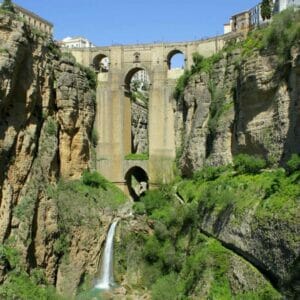
One of the most popular excursions is to RondaOne of the most picturesque cities full of history in the province. On this visit, you can admire its famous bridge over the Tagus and stroll through its charming streets. Another option is an excursion to Nerja and FrigilianaYou will discover the impressive caves of Nerja and the white village of Frigiliana, famous for its beauty and Andalusian authenticity.
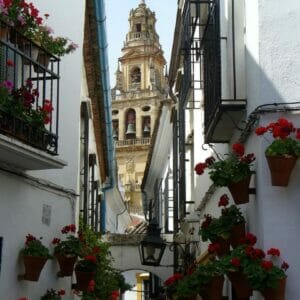
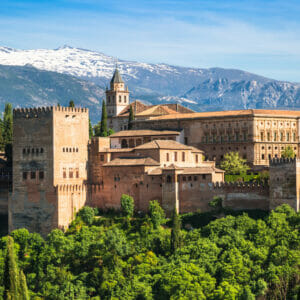
If you prefer a getaway to a larger city, the excursions to Granada o Cordoba are perfect for immersing yourself in Moorish history and architecture. From the majestic Alhambra in Granada to the Mosque-Cathedral in CordobaThese cities will transport you to the glorious past of Al-Andalus.
All these excursions depart from Avenida Andalucía 10 in Malaga, which makes your trip easier and ensures a comfortable and organised experience to make the most of the region:
Visiting Malaga's Alcazaba is a direct immersion into the city's Andalusian past. With its impressive architecture, panoramic views and the chance to explore the region's rich history, it's a must-see for anyone visiting Malaga. Plan your tour well to make the most of this historical treasure.