EN
EN  ES
ES  FR
FR  DE
DE 
Ardales is a hidden treasure in the province of Malaga. In this post we will explore together what makes this village a must-see place, highlighting some of the gems to see in Ardales, as it is a destination that dazzles with its natural beauty and rich history. From picturesque landscapes to historical monuments, Ardales offers a unique experience for adventure and culture lovers.
If you are planning a getaway, in Visitanddo.com we present to you 8 essential things to see in Ardalesin addition to the Caminito del Rey in MalagaGet ready to immerse yourself in this enchanting corner and discover all that this village has to offer!"

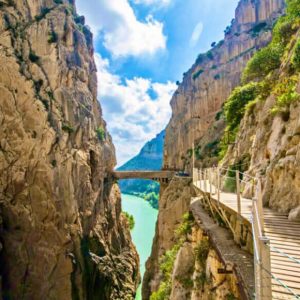
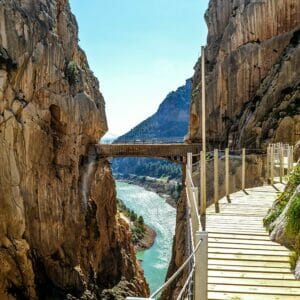
Ardales and the Caminito del Rey are closely linked due to their geographical proximity and the fact that Ardales is one of the access points to the famous path. The Caminito del Rey is a spectacular gorge and footbridge built into the walls of the Gaitanes Gorge, in the Desfiladero de los Gaitanes Natural Park.
Ardales serves as a starting point and offers services for visitors wishing to make the hike. From Ardales, tourists can access the start of the Caminito del Rey by public or private transport. In addition, in Ardales, visitors can find tourist information, restaurants and other services to complement their experience before or after walking the Caminito del Rey. Remember to book in advance, as admission is limited and in high demand.
We recommend that you carry out a day trip to Caminito del Rey from different meeting points in Malaga and Costa del Sol, Here are the following options for one of the most famous excursions in Malaga:
This excursion to the Caminito del Rey from Malaga includes:

Head for the Conde de Guadalhorce Reservoir, also known as the Chorro Reservoir. This reservoir is a haven of peace where you can enjoy various outdoor activitiesYou can rent a kayak or a fishing boat directly there.
If you want to combine it by making the Caminito del Rey from El ChorroHere is the ideal meeting point for this activity, which includes:

Explore the heights of Ardales by visiting Turón Castle. Although in ruins, this medieval castle retains its historic charm and offers unrivalled panoramic views of the surrounding countryside from the top of the village of Ardales, an architecture that has stood the test of time. We show you how to get to Turón Castle from Ardales.

Head to the heart of the village, next to the Plaza de la Constitución to discover the Church of Nuestra Señora de los Remedios, an impressive example of 18th century baroque architecture. Admire its elaborate façade and explore its interior, where artistic beauty meets spirituality.
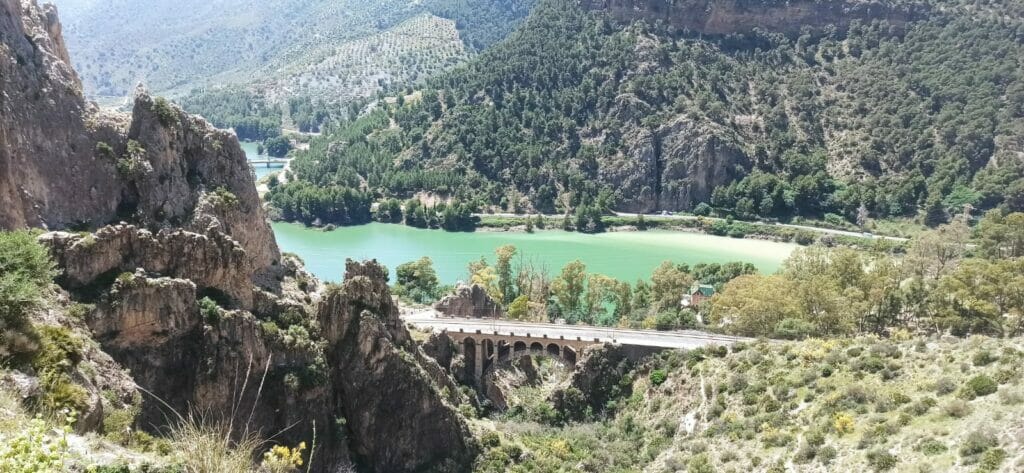
The Gaitanes Gorge offers much more than the famous Caminito del Rey. Explore other hiking routes to discover the diversity of this natural landscape. The native flora and fauna will surround you while you enjoy the serenity of the surroundings.
If you are a mountain lover, this area is also ideal for nature sports such as trekking and hiking. to know the Sierra del Huma and the Arab stairsclimbing and climbing and via ferrata to the area around El Chorrowith breathtaking views. We highly recommend the Via Ferrata El Chorro:


Immerse yourself in prehistoric times by visiting the Ardales Cave, home to cave paintings dating back to the Bronze Age. This fascinating archaeological site will transport you back in time, offering a unique insight into the life of our ancestors.
It is located 4km from the village of Ardales and costs 15€ for adults over 12 years old and 5€ for children between 8 and 12 years old. You can find more information here.

Stop at the Ardales Museum, and get to know the most local aspects of the village of Ardales. This small but enriching museum presents the local history and culture, with special emphasis on the archaeological finds from the Ardales Cave. Discover how the region evolved over the centuries. Admission is 3€ from Tuesday to Sunday from 9:30h to 14:30h. It is located at Av. de Málaga 1 just at the entrance to the village of Ardales. Here is how to get to the Ardales Museum.

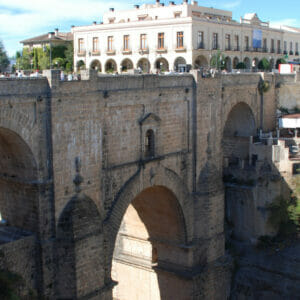
Make the most of your stay in Ardales to go on an day trip to Ronda from Ardales. An hour's drive away, this historic town will welcome you with its famous Puente Nuevo bridge over the Tajo de Ronda, its cobbled streets and its Plaza de Toros, one of the oldest in Spain. If you want to forget about transport, we recommend booking a day trip from Ardales to visit Ronda and Setenil de las Bodegas:
Ardales is more than just a tourist destination; it is an experience that combines emotion, history and serenity. Get ready to immerse yourself in this unique adventure and discover the richness of this enchanting corner in the province of Malaga. Your trip to Ardales will be unforgettable!
Other users also search using these keywords*: ardales what to see, what to do in ardales, what to see near ardales, ardales malaga, what to see in ardales and surroundings, what to do in ardales, ardales how to get there.
*Keywords help search engines connect users' searches with relevant content, making it easier for them to find what they are looking for.