Andalusia It brings together, in a single region, three UNESCO World Heritage Sites, two national parks, over a thousand kilometres of coastline and the world’s largest olive grove. Deciding what to see means, above all, deciding what to leave out.
These are twelve experiences listed from east to west, from Granada to Huelva, detailing what each one has to offer and how to fit it in. Several of them can be done on the day from Málaga, which serves as a good base camp.
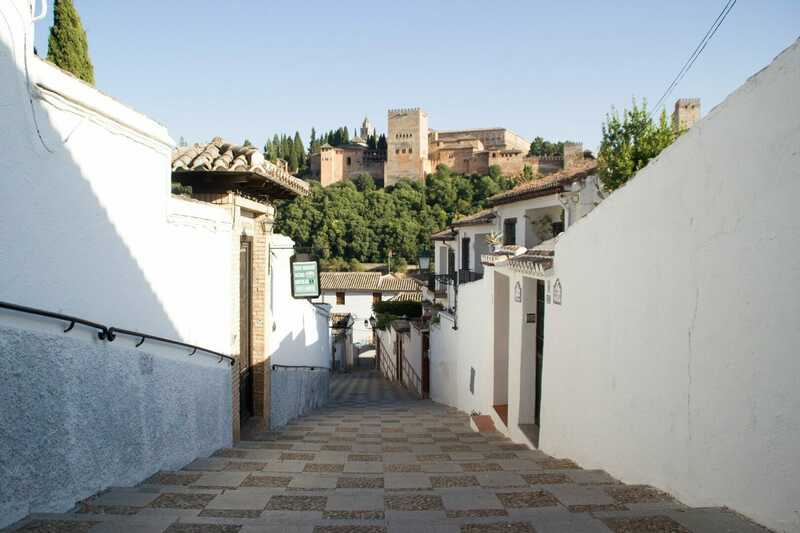
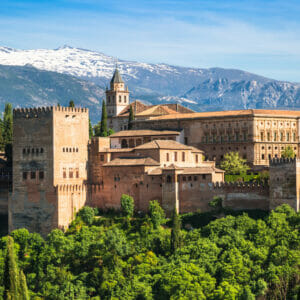
The Nasrid palace complex on Sabika Hill comprises four courtyards: the Nasrid Palacesthe Alcazaba, the Palace of Charles V and the Generalife. The Patio de los Leones epitomises the refinement of 14th-century Al-Andalus architecture.
What you need to know beforehand: Access to the Nasrid Palaces is via time slots and it sells out weeks in advance. And bear in mind the distance: from the main entrance to its door, it’s about A 20-minute walk, so you need to arrive at the venue between half an hour and an hour beforehand.
We’ll tell you all about it in detail at How to visit the Alhambra, and the rest of the city in What to see in Granada y Granada city break.
If you’re in the province of Málaga, make the most of it and go on a day trip that includes a visit to the Alhambra and admission tickets
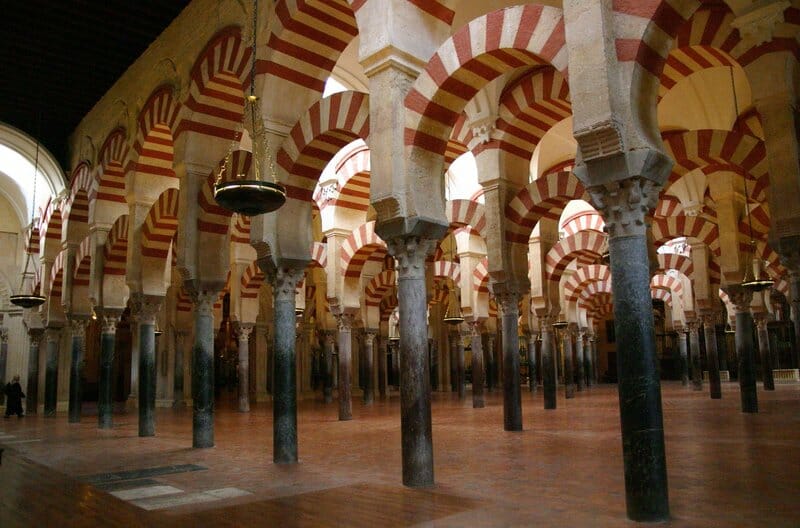
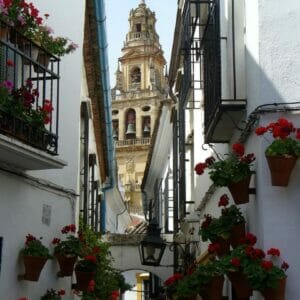
One of the most unique buildings in the world: a a Renaissance cathedral inside a mosque, without either one detracting from the other. The forest of columns with red and white horseshoe arches changes appearance as the light falls on it.
It’s right in the heart of the historic centre, next to the Roman Bridge and the Jewish Quarter. Nearby are the Alcázar de los Reyes Cristianos and the Palacio de Viana, famous for its courtyards. You can find a breakdown of the monument at the parts of the Mosque of Córdoba and the city in What to see in Córdoba.
Guided tour of the Jewish Quarter, including admission to the Mosque-Cathedral
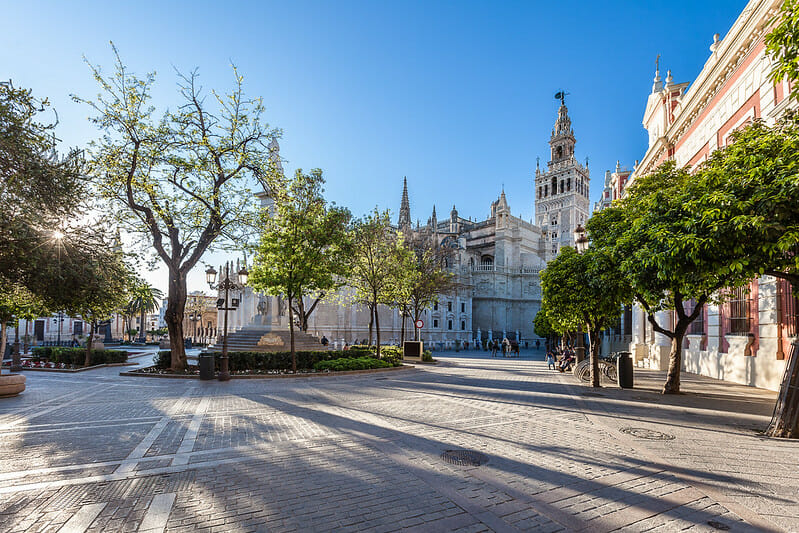
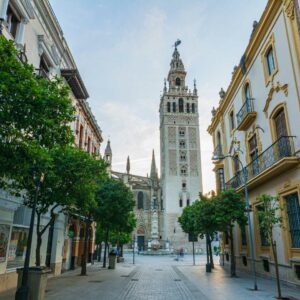
The neighbourhood of Santa Cruz It is the old Jewish quarter: a labyrinth of narrow streets, cosy squares and courtyards with orange trees, bordered by the Cathedral and the Giralda on one side and by the Royal Alcazar on the other hand.
The Royal Alcazar It is the oldest royal palace still in use in Europe and a prime example of Mudejar architecture. Its courtyards and gardens were also the setting for Game of Thrones, which has led to a surge in visitor numbers: book in advance.
For the rest of the city, there are the must-see places in Seville. And if you’re going out for a meal, the best tapas in Seville.
Day trip to Seville with a guided tour and tickets to the Real Alcázar
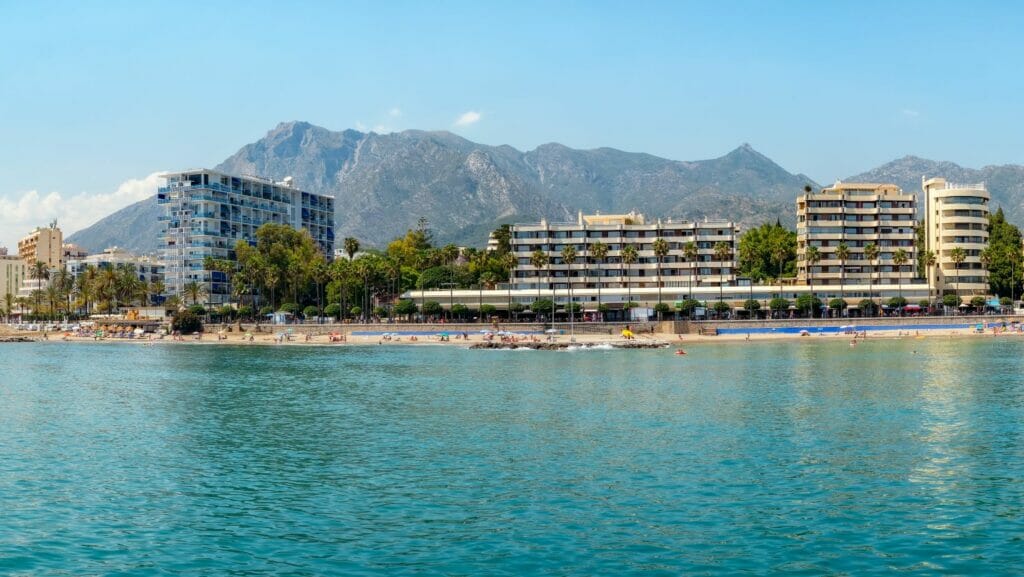
Over a hundred kilometres of coastline in the province of Málaga, from the coves of Maro and Nerja to the east, towards the sand dunes of Marbella and Estepona to the west. There’s something for everyone: urban beaches with beach bars, sheltered coves and long seafront promenades.
Málaga city combines beach and city life, with La Malagueta just a few minutes from the town centre. The swimming season runs from May to October, although it’s lovely to go for a walk there almost all year round. There are coastal villages in towns in Málaga with beaches and the best spots to watch the sunset in The best sunsets in Málaga.
Day trip to Mijas Pueblo, Puerto Banús and Marbella
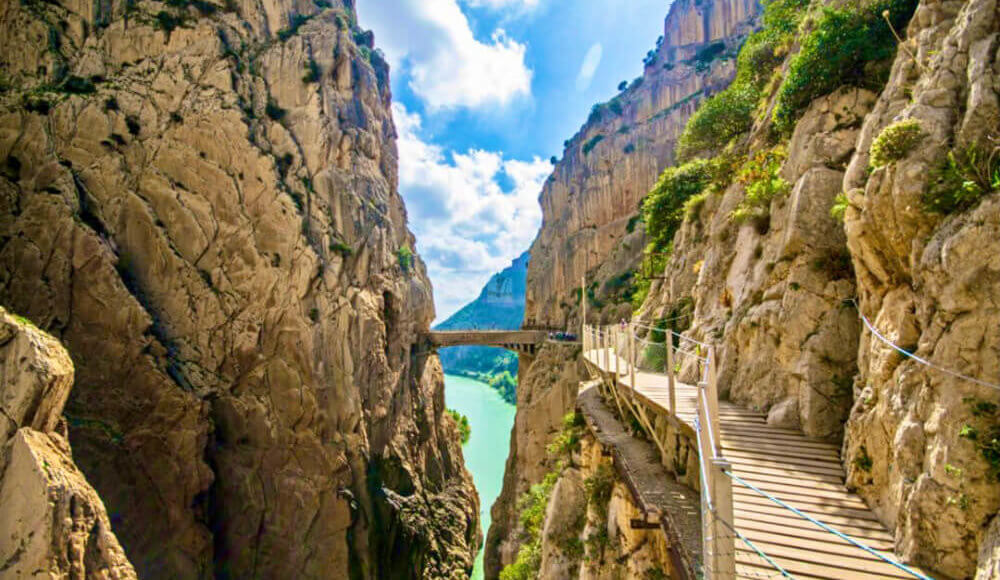
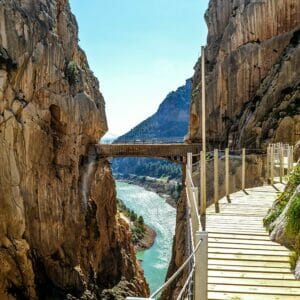
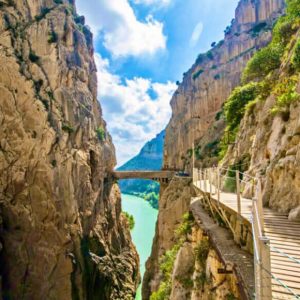
A walkway attached to the vertical walls of the Los Gaitanes Gorge, in the interior of Málaga, in the gorge carved out by the Guadalhorce.
And let’s clear up the myth: It was dubbed «the world’s most dangerous trail» because of the condition the original path was left in, but That ceased to be true in 2015. Today it has new walkways, handrails and compulsory hard hats, and anyone of normal physical fitness who isn’t afraid of heights can walk along it. We developed it in Is the Caminito del Rey dangerous?.
The practical side: the direction of travel is unique, capacity is limited and tickets must be purchased in advance. Before you go, check the Tips for visiting the Caminito del Rey.
Excursion to the Caminito del Rey with a guided tour and admission tickets, departing from three different locations
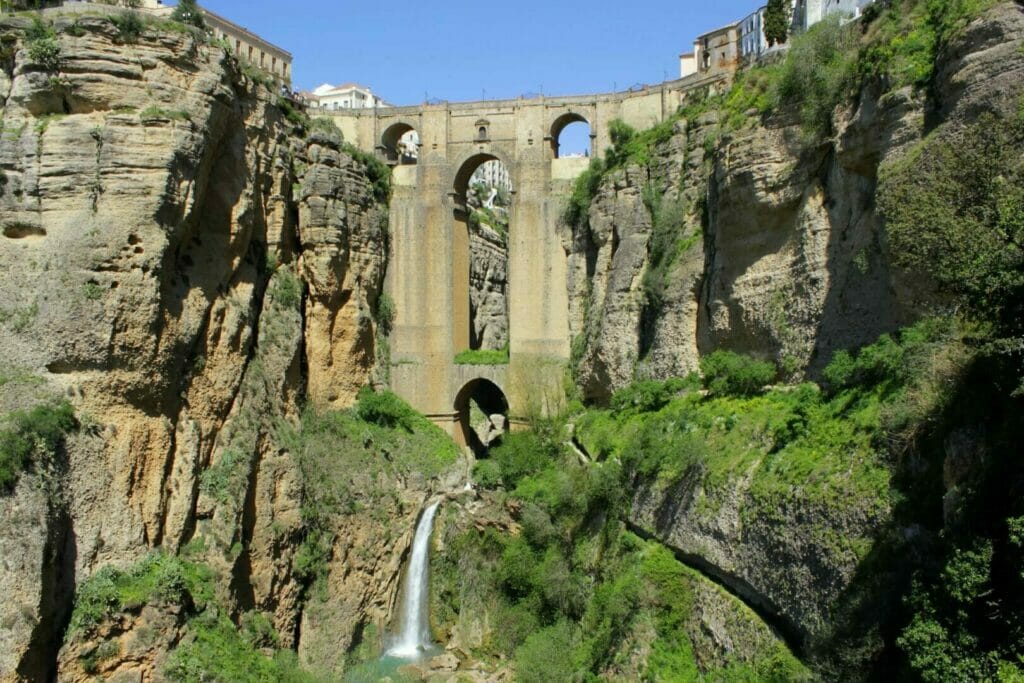
Ronda stands on a plateau bisected by the Tagus, a gorge over one hundred metres deep, spanned by the "Puente Nuevo", built between 1751 and 1793. The view of the town perched on the cliff is the most recognisable in Andalusia after the Alhambra.
The historic centre retains the La Real Maestranza Bullring, dating from 1785 and one of the oldest in Spain, as well as the Arab Baths the best-preserved on the peninsula and the Casa del Rey Moro water mine. You’ll find it all at What to see in Ronda, and the surrounding area in What to see near Ronda.
Guided tour of Ronda town centre, including admission to the Don Bosco House Museum
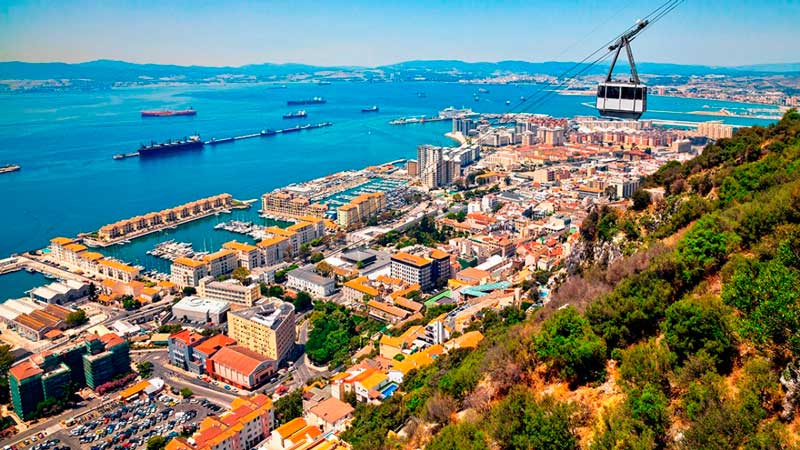
At the southern tip of the peninsula, the Rock rises above the strait that separates Europe from Africa: on clear days, the Moroccan coast can be seen on the other side. A British territory, it blends English heritage with a Mediterranean atmosphere.
Above are the La Cima Nature Reservethe St Michael’s Cave, the siege tunnels and its most famous inhabitants: the Barbary macaques, the only primates living in the wild in Europe. The cable car takes just a few minutes to reach the top. You can find more information at Ten interesting facts about Gibraltar and in the Gibraltar guide.
Excursion to Gibraltar from Malaga and the Costa del Sol
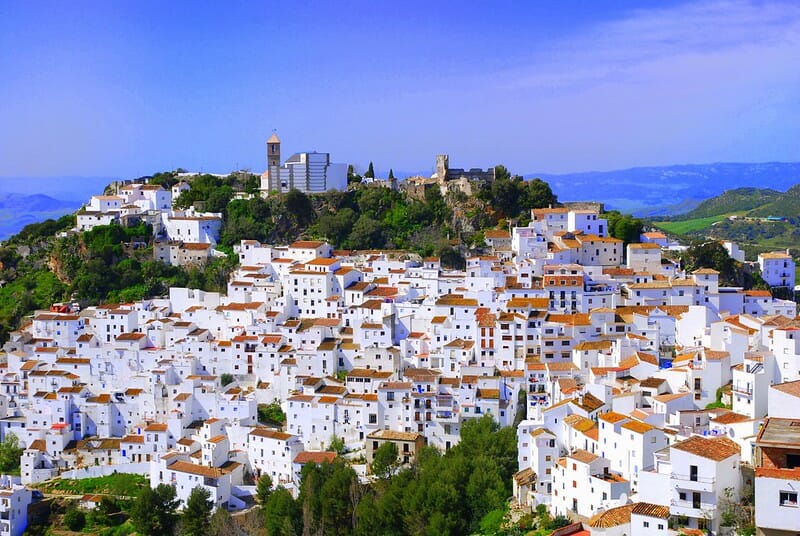
It connects villages with whitewashed façades between Cádiz and Málaga: Grazalema, Zahara de la Sierra, Arcos de la Frontera, Setenil. They share a medieval origin, steep streets and an Al-Andalus-style layout adapted to the terrain. The whitewash, which reflects the heat, gives them a sense of unity.
Setenil It is the most distinctive: its houses are built under the rock, which acts as a natural roof. Zahara A Nasrid castle still stands on the hill, next to the reservoir. You can do the walk in stages, and spring is the best time of year.
You can find the route at The White Villages Route from Ronda and the Setenil section at What to see in Setenil de las Bodegas.
Two white villages in one day: Ronda and Setenil de las Bodegas
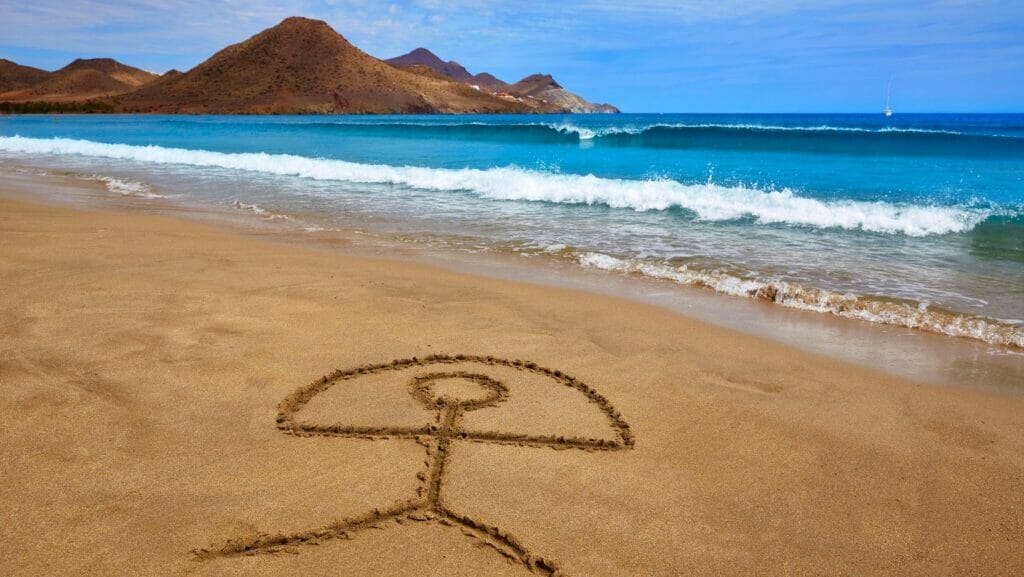
The Cabo de Gata-Níjar Natural Park protects the least developed stretch of coastline on the Spanish Mediterranean. It is volcanic origin, and features a mix of cliffs, crystal-clear coves, salt flats and a semi-desert landscape that is unique in Europe.
Beaches such as Mónsul o the Genoese, with not a single building right on the beach, are the best example. In the salt flats Flamingos gather here during migration. Fishing villages such as San José and La Isleta del Moro serve as a base. It’s the ideal choice for a quiet coast and walking.
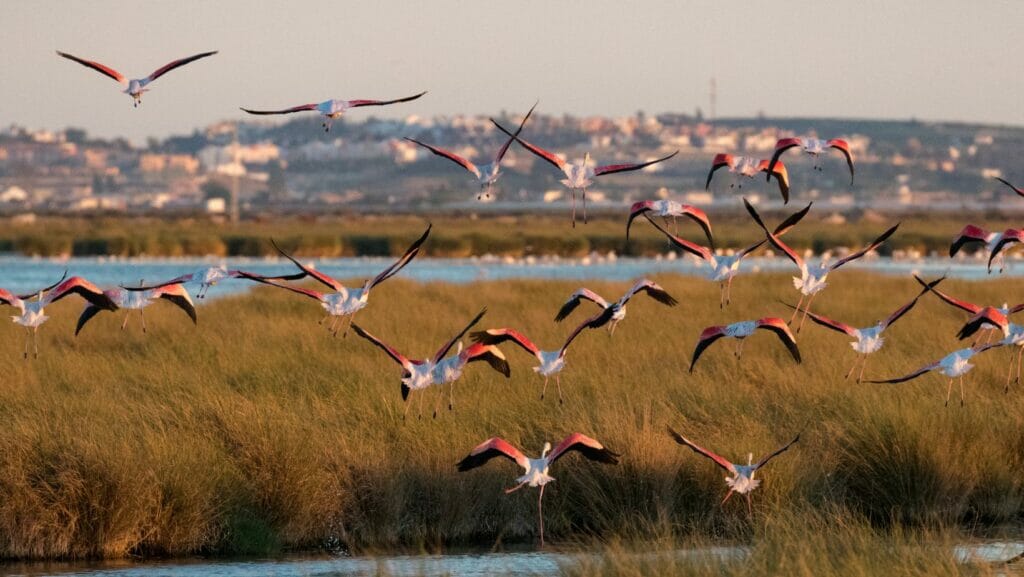
Situated between Huelva, Seville and Cádiz, it is one of the Europe’s most important wetlands y National Park since 1969. Marshes, shifting dunes, pine forests and the beach form a mosaic that welcomes millions of migratory birds every year, as well as species such as the Iberian lynx and the imperial eagle.
Access to the interior is restricted: It can be visited in authorised vehicles accompanied by a guide, or via the trails and visitor centres around the perimeter. Spring and autumn, during the migratory seasons, are the best times to visit. It is the most purely natural experience on the list.
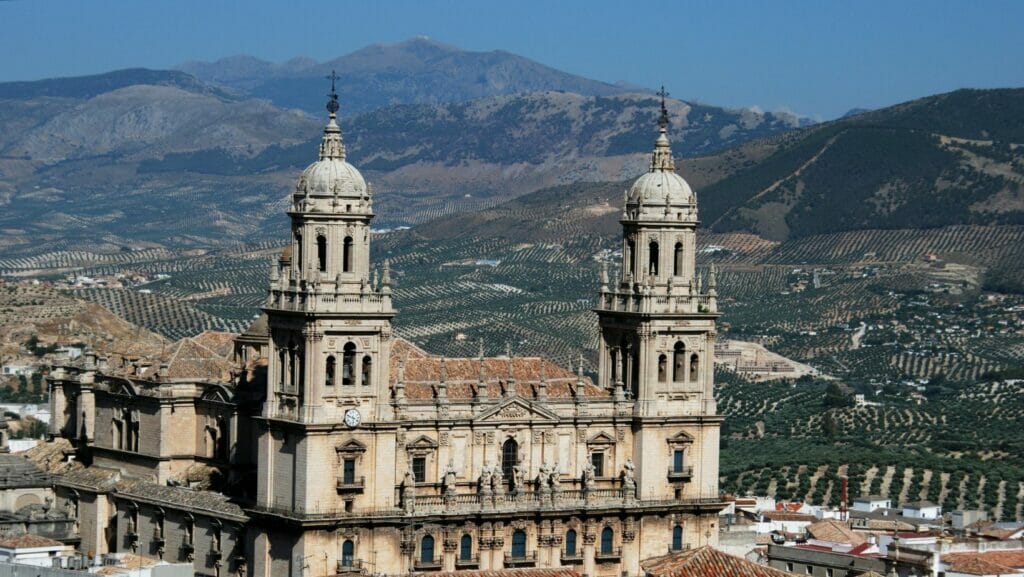
Jaén is the the world's largest producer of olive oil, with olive groves stretching as far as the eye can see. The route takes you to oil mills and oil shops, to see the production process and taste different varieties of olive oil.
It is completed with Úbeda and Baeza, both of which are World Heritage Sites due to their 16th-century Renaissance ensembles, and with the The Cazorla, Segura and Las Villas mountain ranges, Spain’s largest protected area. It is the least crowded destination on this list.
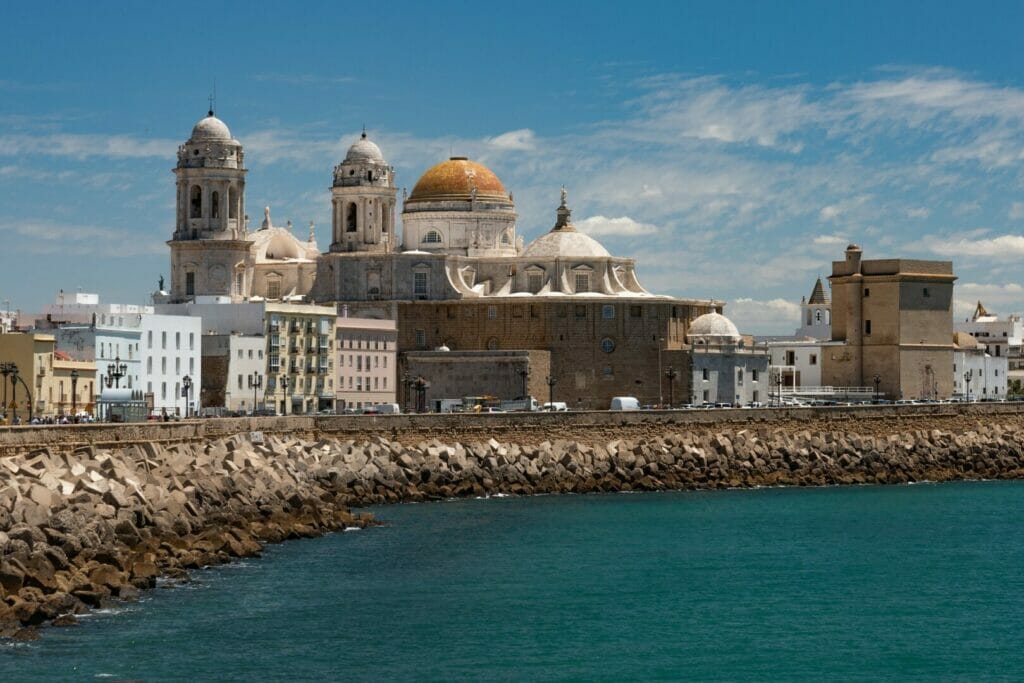
Cadiz It is one of the oldest inhabited cities in Western Europe. Its historic centre, almost entirely surrounded by the sea, features city walls, bastions, the cathedral with its golden dome and seaside neighbourhoods such as The Vineyard, the birthplace of the carnival. The Atlantic atmosphere gives it a character distinct from the rest of Andalusia. You have the city in 10 must-see attractions in Cádiz.
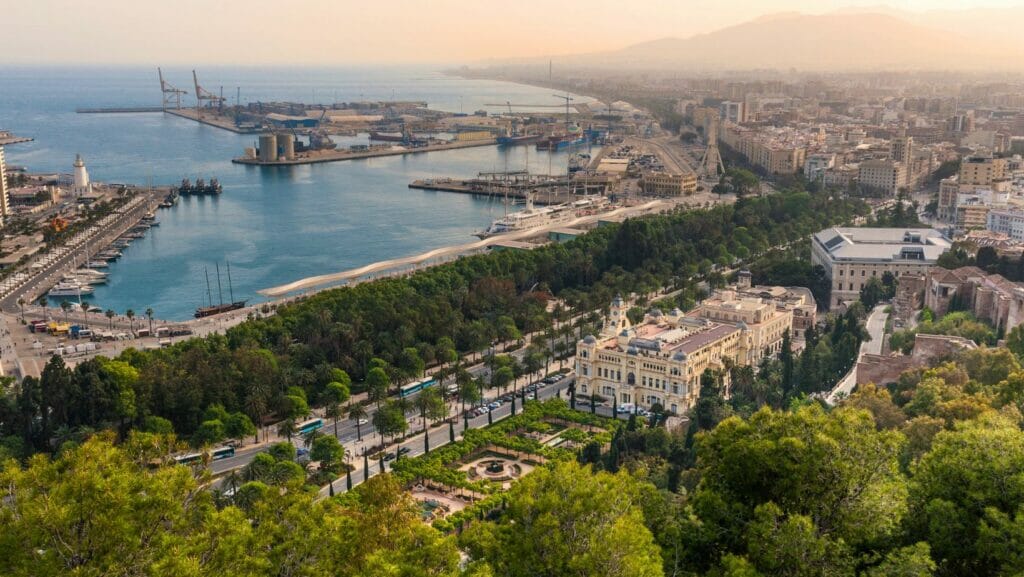
Malaga It has gone from being a stop-off point to a leading cultural destination: more than thirty museums, the Alcazaba, the Roman Theatre, the cathedral and a bustling pedestrianised area. It is also Picasso’s birthplace. You’ve got the 10 must-sees in Málaga and, for lunch, traditional dishes from Málaga.
Málaga works well as base camp: it has an international airport, a high-speed rail station and a central location on the coast, so a good number of the places on this list are within day-trip distance.
How many days: For the main attractions of the big cities, between five and seven, with one day for Granada, another for Córdoba and one or two for Seville and Málaga. If you add in the countryside — the Caminito, the white villages, Cabo de Gata — that makes ten or twelve.
When to go: spring and autumn. It gets very hot inland in summer, particularly in Córdoba and Seville, although this is the best time of year for the coast. Winter is mild along the coast, allowing you to visit the cities without having to queue.
If you’d prefer to focus on the major urban centres, here’s our selection of Cities to visit in Andalusia.
We are a local operator based in Málaga with over 50 years’ experience organising day trips around Andalusia, with pick-up points in Málaga and on the Costa del Sol.
The Alhambra in Granada, the Mosque-Cathedral of Córdoba and the Real Alcázar in Seville are the three must-see attractions that no first-time visitor should miss: all three are UNESCO World Heritage Sites and encapsulate the Andalusian legacy. As a natural contrast, the Caminito del Rey is the best-known attraction in the south. From there, it’s worth adding a stretch of coastline or a tour of the white villages, depending on the weather.
Between five and seven days to cover the highlights of the major cities, spending one day in Granada, another in Córdoba, and one or two in Seville and Málaga. If you want to include natural attractions, such as the Caminito del Rey, the white villages or Cabo de Gata, it’s sensible to extend your trip to ten or twelve days. Using Málaga as a base allows you to make the most of your time with day trips.
Spring and autumn, with mild temperatures, are ideal for visiting monuments and strolling through the cities. Summer is very hot inland, particularly in Córdoba and Seville, although it is the best time of year for the coast. Winter is mild along the coast, allowing you to explore the cities without the crowds.
No. Its reputation as the «world’s most dangerous trail» stems from the condition of the original path before it was refurbished, but since its reopening in 2015 it has featured new walkways, handrails and a compulsory helmet. Anyone of average fitness who does not suffer from vertigo can tackle it. Capacity is limited and tickets must be purchased in advance.
Yes, especially if you’re travelling between the major cities: Málaga, Córdoba and Seville are linked by high-speed rail, and Granada by train and bus. To explore the countryside and the white villages, a car or an organised tour is practically essential, as public transport between small towns runs very infrequently.
The Alhambra, the Generalife and the Albaicín in Granada; the Mosque-Cathedral and the historic centre of Córdoba; and the complex comprising the Cathedral, the Alcázar and the Archivo de Indias in Seville. Added to these are the Renaissance ensembles of Úbeda and Baeza, in Jaén, and the Doñana National Park as a natural heritage site.