There are three megalithic monuments; entry is free, and 2026 will mark the tenth anniversary of their designation as a World Heritage Site.
And what makes them unique in Europe is not their size: it is the direction in which they face.
| Concept | Fact |
|---|---|
| Entrance | Free, including the museum |
| Close | Monday |
| Tuesday to Saturday | 9.00 am–1.30 pm and 7.00 pm–9.30 pm |
| Sundays | Tomorrow only, until 2.30 pm |
Take a look at the split timetable, because that’s where everyone goes wrong: It is closed between half past one and seven in the evening. Arriving in the middle of the afternoon to find it closed is the most common mistake made by visitors to Antequera.
The afternoon opening hours are extended in summer. In winter, it’s best to check the day before.
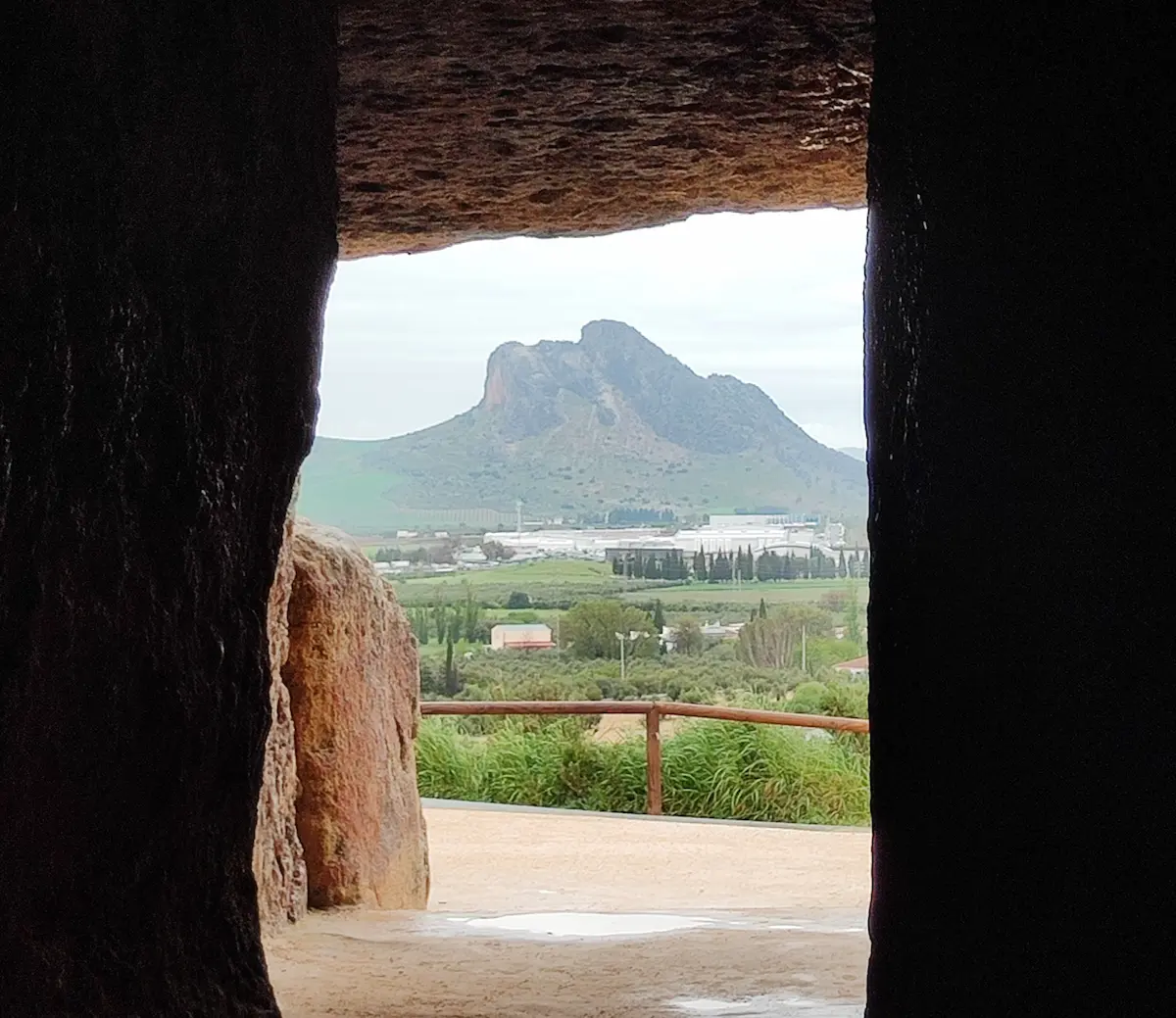
This is the key to the whole thing, and hardly any guide explains it.
In the Neolithic period, it was common practice to orientate funerary monuments towards the sun. Here, only one person does it:
| Monument | Look towards |
|---|---|
| Menga | The Lovers’ Rock |
| Viera | Sunrise on the equinoxes |
| El Romeral | The Torcal Mountains |
Two of the three point towards the mountains, not the sky. And that is exceptional: in European megalithic culture, solar orientation is the norm.
That is why the site designated by UNESCO is not just the dolmens. Includes the Peña de los Enamorados and El Torcal, because without the two mountains, the monuments cannot be understood. They are part of the same design.
Menga faces north-east, to the north of the sunrise on the summer solstice. It is the only known tomb in Europe with that orientation in its cultural context.
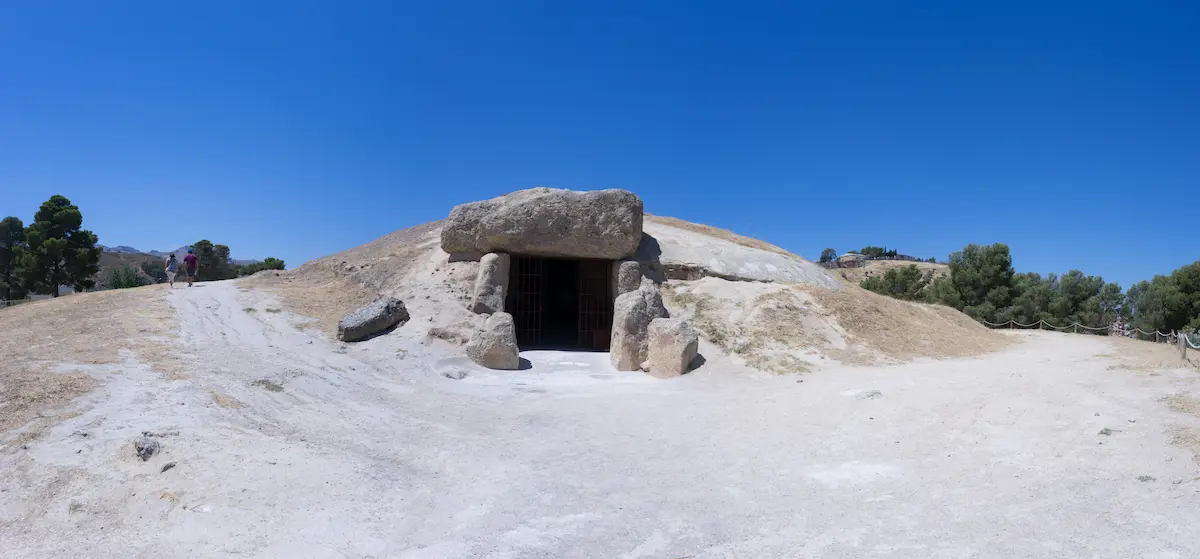
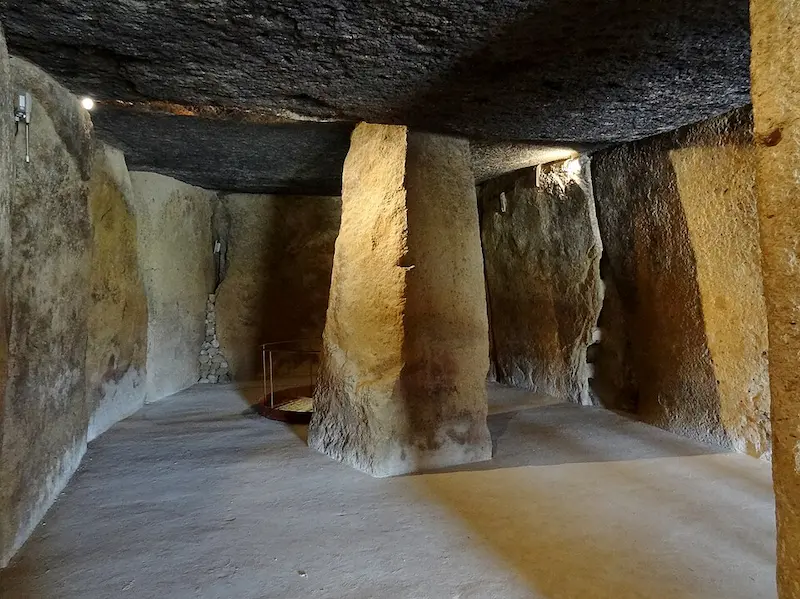
He is the main character and the tallest of the three. It is considered that the largest dolmen in Europe.
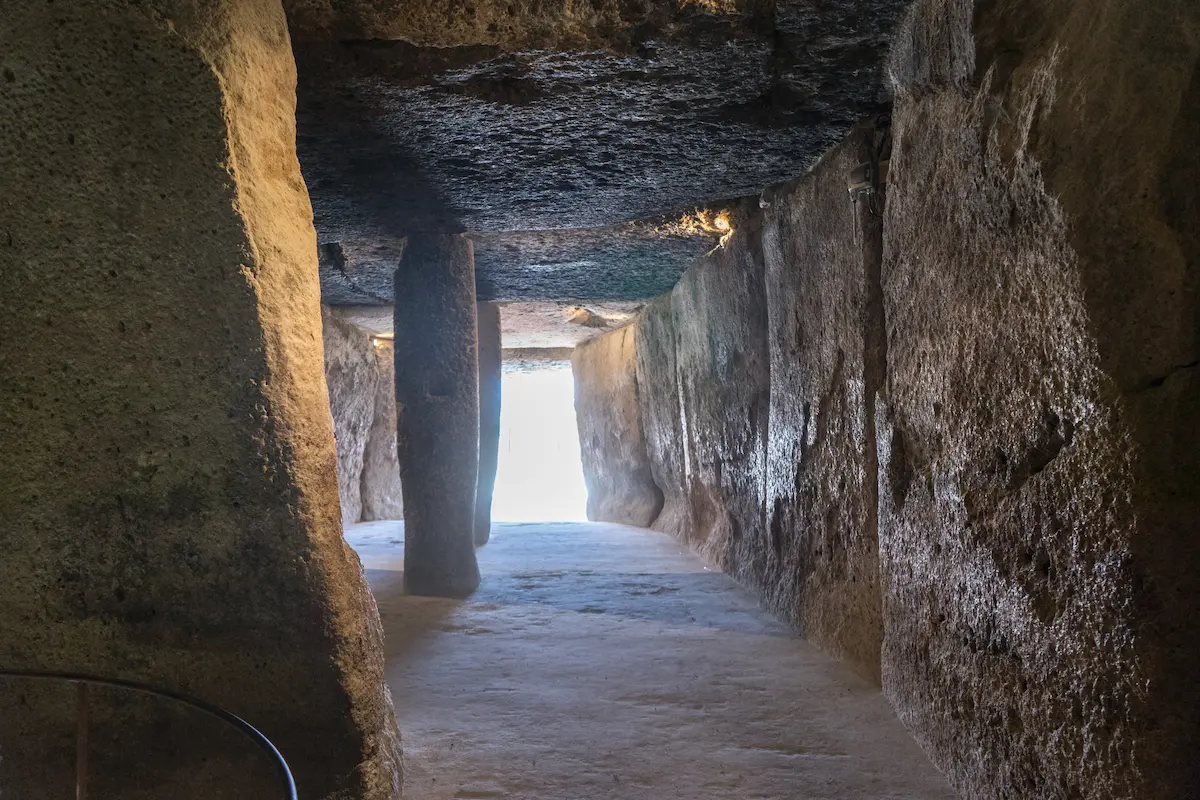
What strikes you as you enter are the floor slabs: blocks weighing tens of tonnes placed on top, and three pillars underneath supporting them. You walk through it from the inside, which is unusual for a monument of this kind.
The date: around 3,800 BC. In other words, about a thousand years before Stonehenge and predates the pyramids of Egypt.
Inside the chamber, on the floor and protected by a glass panel, there is a well.
It is a rare feature in a dolmen and its function remains a matter of debate: it has been suggested that it was added after the building was constructed, but there is no definitive explanation. You see it during the visit and it’s the thing that prompts the most questions.
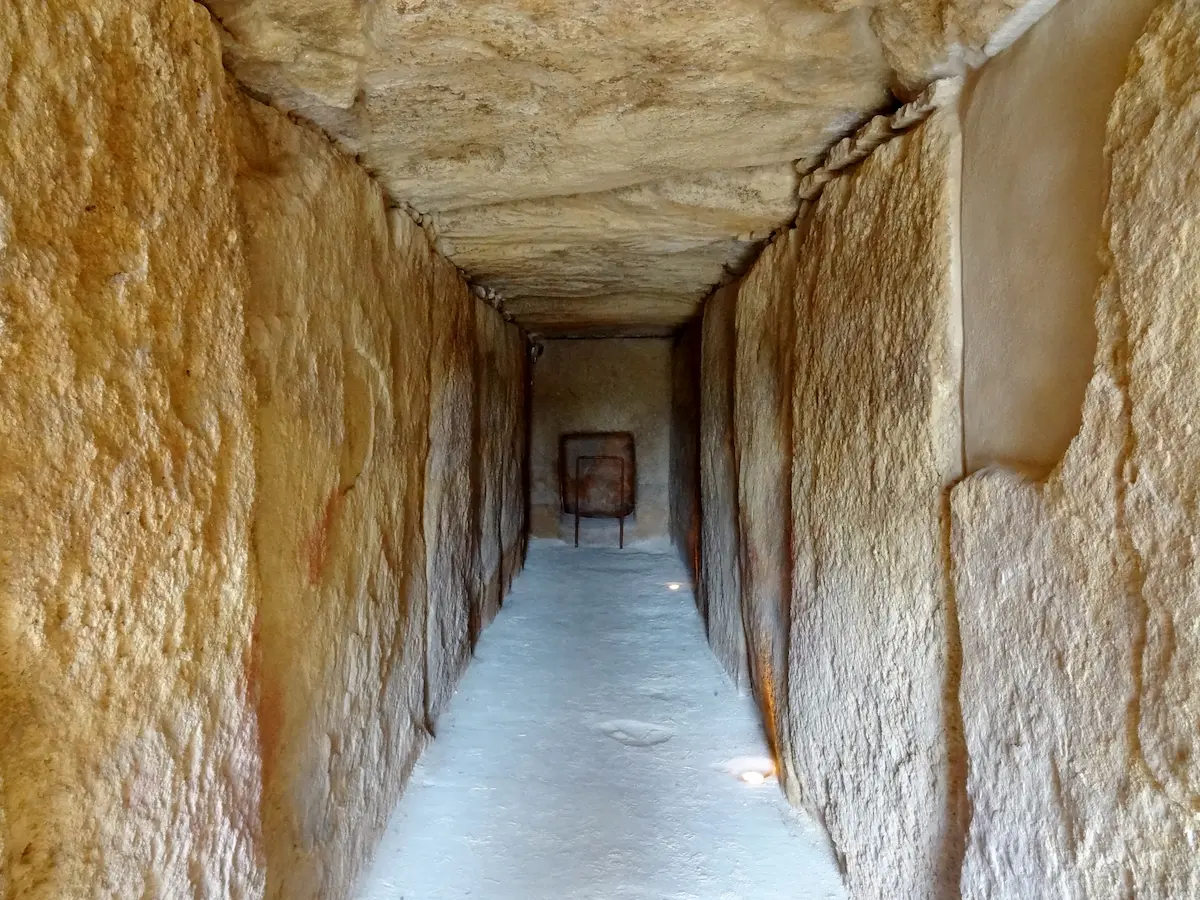
It’s right next to Menga, in the same venue, so they are shown one after the other.
And it’s different: where Menga is a wide-angle lens, Viera is a long, narrow corridor which ends in a small chamber. The feeling you get when you walk through it is quite different.
It is the only one of the three that faces the sun, specifically at dawn on the equinoxes.
It was discovered in 1903 by the brothers José and Antonio Viera, officials from Antequera Town Council, and bears his surname.
It wasn’t called that to begin with: they named him «Cueva Chica», in contrast to the «Menga Cave», which was much larger.
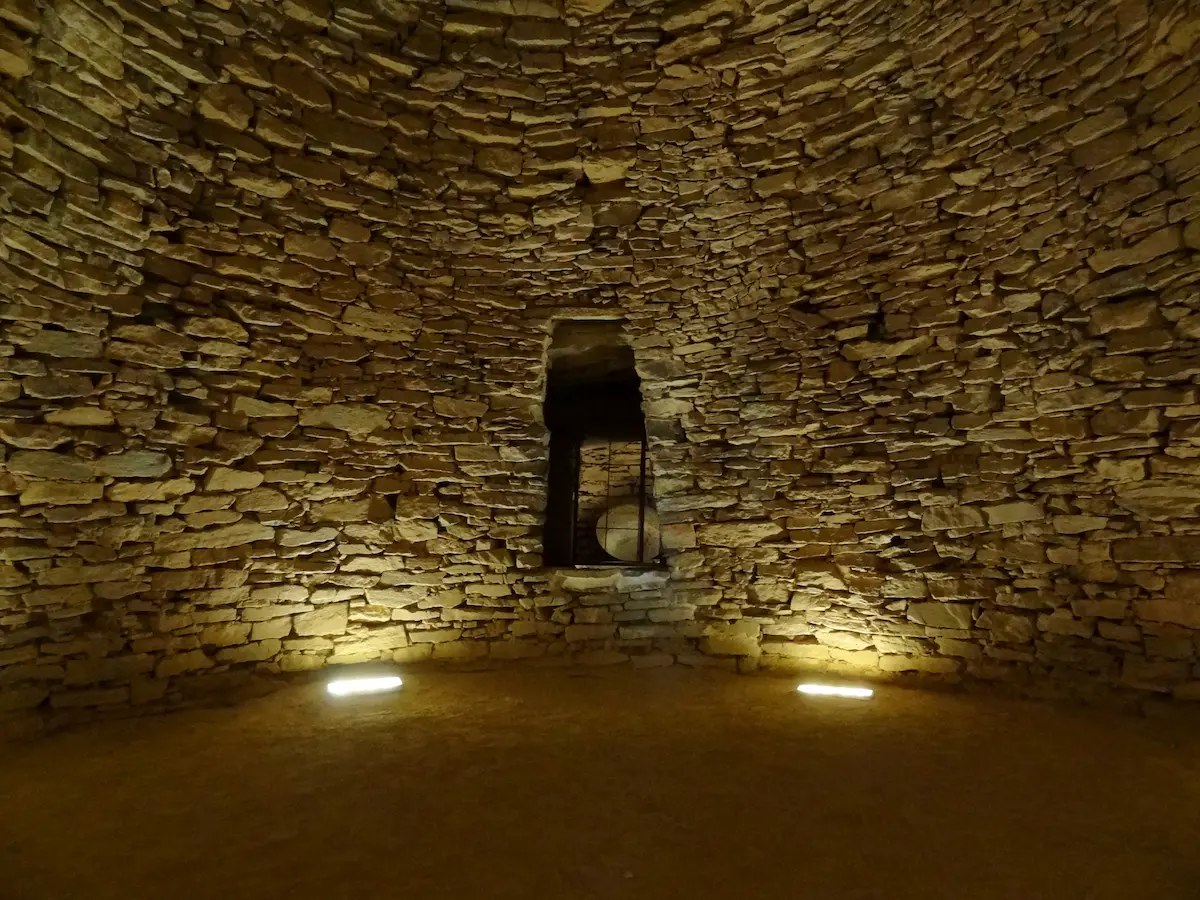
This is the most important practical notice after the timetable: El Romeral is not included with the other two.
It’s about 4 kilometres away, on the other side of the railway line, and you have to cross via a bridge. It’s in an industrial area and access is poor. Many people assume that the three of them are together and skip over it without realising.
Firstly, the technique. It is not a slab dolmen: it is a tholos, with walls built of rows of stones that gradually close in until it formed a false dome, topped by a large slab. It is a very different and unusual architectural solution for its time.
Secondly, the date, which is the most surprising piece of information. During the 20th century, it was believed that all three were contemporaries. They are not:
A difference of two thousand years. More time has passed between the two than there is between us and the Roman Empire.
It is attributed to the Los Millares culture, the centre of which was situated more than 200 kilometres to the east, in Almería.
Three times a year, you can see the orientation system in action, and these are tours with very limited capacity, for which booking is essential:
| When | Where | What can be seen |
|---|---|---|
| 20–22 June, 6:45 | Menga | The view towards the Peña and the illuminated northern side |
| 22–24 September, 8:15 | Viera | The sun streams into the corridor, leaving the room in half-light |
| Winter solstice | El Romeral | The route to El Torcal |
The capacity is limited to a few people per session, so you need to book well in advance by emailing the archaeological site.
And in summer there are guided evening tours at Menga and Viera, on Wednesday evenings until the end of September.
UNESCO inscribed the Antequera Dolmens Site on 15 July 2016, so 2026 will mark a decade and there is a special programme of activities throughout the year.
It was Andalusia’s seventh World Heritage Site. And the good comprises four elements:
If you’re going to visit all four, the Torcal It takes half a day to visit and is 16 kilometres from the city centre.
Menga and Viera are on the A-354, at the entrance to Antequera when coming from Málaga. There is on-site car park and a reception area.
El Romeral is 4 kilometres away, crossing the railway line via the MA-232 bridge.
Without a car: on No. 1 city bus It passes by the entrance to Menga and Viera. For El Romeral, the nearest stop is the hospital – the terminus – and from there it’s a short walk through the industrial estate.
It’s about 45 kilometres from Málaga via the A-45, around 45 minutes.
The dolmens take up a morning, and the split shift leaves the afternoon free for the rest:
The system that works: Dolmens at nine, the town centre mid-morning, lunch, and Torcal in the afternoon. Full details at What to see in Antequera.
And if you go on a Monday, the dolmens are closed: change the order and start with the centre.
We are a local tour operator based in Málaga with over 50 years’ experience organising trips around Andalusia.
The problem with getting around Antequera without a car is connecting the three points: the dolmens on the outskirts, the town centre and El Torcal, 16 kilometres away. You can’t see them all in a day by public transport.
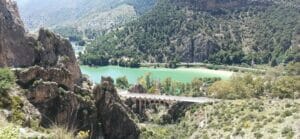
Meanwhile: the most beautiful villages in Malaga y the Caminito del Rey, which is half an hour away.
From Tuesday to Saturday, they are open from 9.00 am to 1.30 pm and from 7.00 pm to 9.30 pm, and on Sundays only in the morning, until 2.30 pm. They are closed on Mondays. These split opening hours are the cause of the most common mistake: between half past one and seven in the evening, the venue is closed. The afternoon opening hours are extended in summer.
Nothing: entry is free, including the museum. There is no charge for parking either. Only some special activities incur a charge, and the sun festivals require prior booking due to their very limited capacity, although general access to the site is free.
Because of their orientation. In European megalithic culture, it was customary to orientate funerary monuments towards the sun, and here only Viera does so: Menga points towards the Peña de los Enamorados and El Romeral towards the Sierra del Torcal. That is why the site, inscribed on the UNESCO World Heritage List in 2016, also includes the two mountains, because without them the monuments cannot be fully understood.
Menga and Viera date from around 3,800 BC, that is to say, some 1,000 years before Stonehenge and predating the pyramids of Egypt. The tholos at El Romeral is much more recent, dating from around 1,800 BC: during the 20th century, it was believed that all three were contemporary, yet there is a gap of two thousand years between them.
No. Menga and Viera share the same site, with a car park and visitor centre, but the tholos at El Romeral is about four kilometres away, on the other side of the railway line and in an industrial area with poorly maintained access roads. It is common to assume that all three are together and to inadvertently miss El Romeral.
A well situated in the floor of the chamber, now protected by a glass panel. It is an unusual feature in a dolmen and its purpose remains a matter of debate: it has been suggested that it dates from after the monument was built, but there is no definitive explanation. It can be seen during the tour.
Yes, on 20, 21 and 22 June at 6.45 pm, as part of a guided tour organised by the archaeological site, which allows visitors to see how the monument is oriented towards the silhouette of the Peña de los Enamorados and to view the lighting on its northern side. Places are very limited per tour and booking is essential.
Allow an hour and a half for Menga, Viera and the museum, which are all on the same site. If you add the El Romeral tholos, which is four kilometres away, you should allow around two and a half hours, including travel time. It’s a good idea to ask for the audio-visual guide at reception before you go in.